


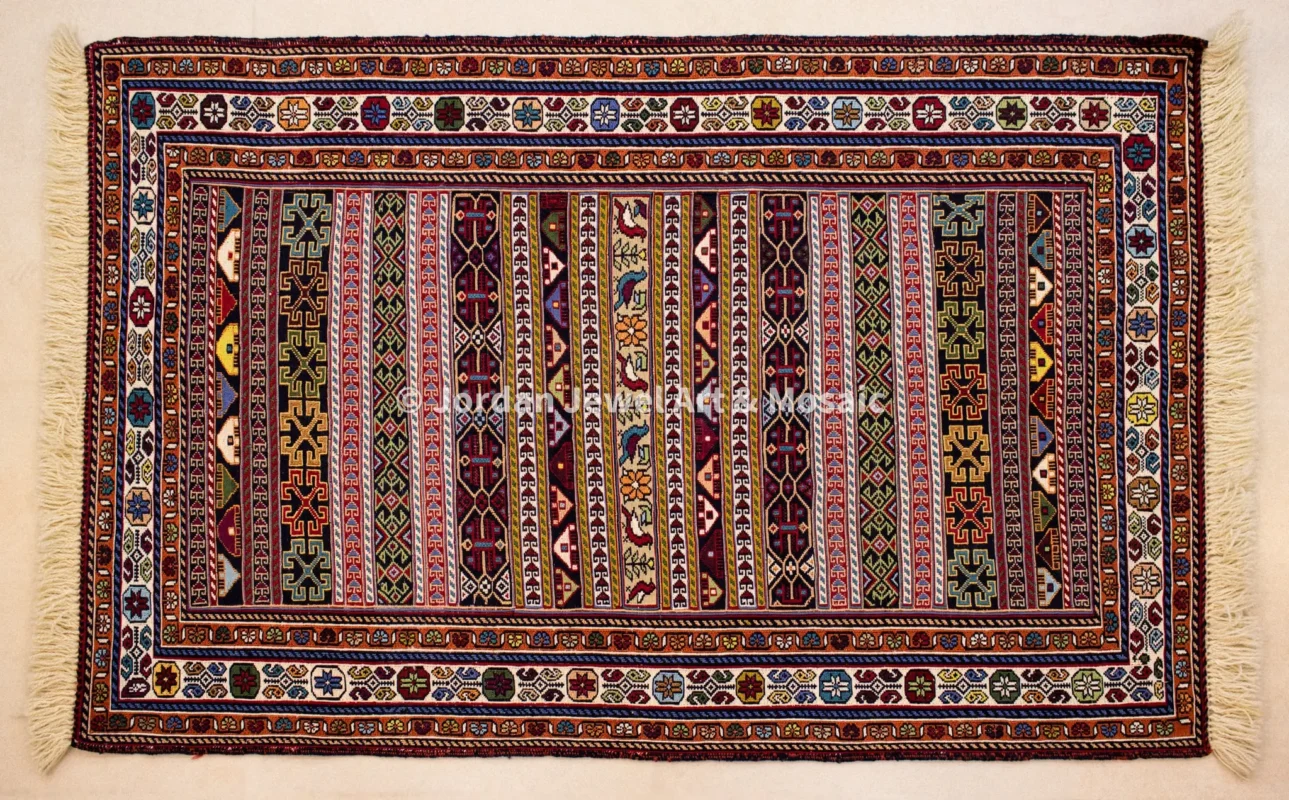




















 Wall Hanging Mosaic
 Mosaic Tables
 Ceramic Vase
 Ceramic Plates
 Chair
Chair Clock
Clock Closet

The Evolution of Kingdoms: From Ancient Civilizations to Modern Monarchy
Throughout history, the concept of kingdoms has played a significant role in shaping societies, cultures, and political systems. From ancient empires to modern monarchies, the structure and influence of kingdoms have evolved dramatically over the centuries. In this article, we will explore the rise and fall of various kingdoms, their cultural significance, and how they continue to influence modern governance. One interesting aspect of contemporary kingdoms can be found at Kingdom https://kingdom-casinos.co.uk/.
1. The Birth of Kingdoms: Ancient Civilizations
The earliest known kingdoms emerged in ancient Mesopotamia around 3000 BC. These early states were characterized by structured societies governed by kings or chieftains. The Sumerians, Akkadians, and Babylonians are among the first civilizations to establish kingdoms, laying the groundwork for future political systems.
These ancient kingdoms revolved around agricultural practices, trade, and military conquests. The rulers were often seen as divine figures, believed to have a special connection with the gods. This belief helped solidify their power and maintain order among the populace.
2. The Feudal System: A Shift in Power Dynamics
As civilizations advanced, the feudal system began to take shape, especially in medieval Europe. Power became decentralized, with kings granting land to nobles in exchange for loyalty and military service. This era saw the emergence of strong monarchies that wielded significant power, such as the Kingdom of England, France, and the Holy Roman Empire.

The feudal system created a hierarchical structure that influenced societal roles and relationships. Peasants worked the land while nobles protected them, and kings ruled over all. This complex relationship was pivotal in shaping medieval society and politics, setting the stage for both wars and alliances.
3. Cultural Significance of Kingdoms
Kingdoms played a crucial role in the cultural development of societies. Through patronage, kings and queens supported art, literature, and architecture, leaving a lasting legacy that still resonates today. Iconic structures such as castles, cathedrals, and palaces not only served as residences but also as symbols of power and grandeur.
Moreover, kingdoms contributed significantly to the spread of religions and philosophical ideas. The support of rulers often meant that certain doctrines were favored, impacting countless lives and shaping cultural identities. The Church and the state were frequently intertwined, with monarchs seeking legitimacy through divine right.
4. The Decline of Absolute Monarchies
With the Age of Enlightenment and the advent of democracy, the absolute monarchies that dominated Europe began to lose their power. Movements for republicanism and constitutionalism gained traction, highlighting the importance of individual rights and the rule of law. The French Revolution is a prime example of this shift, as it challenged the foundational principles of kingship.
Throughout the 19th and 20th centuries, many kingdoms transitioned into constitutional monarchies or abolished monarchies altogether. The concept of a republic became increasingly popular, signifying a major departure from the traditional views of governance.
5. Modern Monarchies: A Different Role

Today, monarchies still exist but in a different form than their historical counterparts. Constitutional monarchies, where the king or queen acts within the parameters of a constitution, are common in several nations such as the United Kingdom, Sweden, and Japan. These modern monarchies often serve as ceremonial figureheads, embodying national identity while political power rests in the hands of elected officials.
Nevertheless, some absolute monarchs, such as those in Saudi Arabia and Brunei, retain significant political power. The dynamics within these kingdoms can be fascinating, as they navigate tradition and modernity in an increasingly interconnected world.
6. The Influence of Virtual Kingdoms
In the digital age, the concept of kingdoms has expanded beyond physical borders. Online gaming worlds, social media platforms, and virtual communities often emulate the structures of kingdoms, where players can assume roles of leadership, governance, and social organization. This evolution reflects our ongoing fascination with hierarchy, power dynamics, and community building.
These virtual kingdoms allow players to experience the complexities of governance and often provide avenues for social interaction and cultural exchange. The lessons learned in these digital realms can mirror historical precedents, offering insights into the human condition and societal structures.
7. Conclusion: The Enduring Legacy of Kingdoms
The concept of kingdoms, whether historical or modern, continues to shape the world in profound ways. From ancient civilizations to contemporary forms of governance, the influence of kings and queens is deeply interwoven into the fabric of society. Their cultural contributions, historical significance, and political legacies are a testament to their enduring impact.
As we reflect on the journey of kingdoms, we recognize that their evolution reflects broader shifts in human understanding of power, authority, and community. While the nature of kingdoms may have changed, their stories remain a vital part of our collective history, inspiring future generations to explore and redefine the concept of governance.