















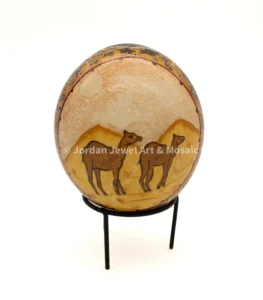









 Wall Hanging Mosaic
 Mosaic Tables
 Ceramic Vase
 Ceramic Plates
 Chair
Chair Clock
Clock Closet

A Journey Through the Aztec Paradise: Unveiling Ancient Wonders
Welcome to the Aztec Paradise, where the echoes of an ancient civilization resonate through vibrant landscapes and rich traditions. This journey invites you to explore the fascinating world of the Aztecs, a people known for their remarkable advancements in agriculture, astronomy, and architecture. Set against the backdrop of towering pyramids and lush jungles, the Aztec Paradise is a testament to human ingenuity and resilience. For an immersive experience, check out Aztec Paradise https://aztec-paradise.casino/, where you can dive deeper into this enchanting world.
The Legacy of the Aztec Empire
The Aztec Empire, which thrived from the 14th to the 16th century in what is now Mexico, is often remembered for its complex social structure, remarkable achievements, and legendary mythology. At the heart of this civilization was Tenochtitlan, the empire’s capital, located on an island in Lake Texcoco. This city was a marvel of engineering and urban planning, featuring canals, causeways, and an extensive marketplace that drew traders from far and wide.
Cultural Richness
The Aztecs were not only warriors but also artists, craftsmen, and scholars. Their culture was steeped in religion, with a pantheon of gods representing various aspects of life and nature. The famous Temple Mayor, dedicated to the god Huitzilopochtli, stood as a focal point in Tenochtitlan, showcasing stunning architecture and intricate carvings that tell stories of creation, sacrifice, and the cosmos.
Wonders of Aztec Civilization
One cannot speak of the Aztecs without mentioning their remarkable agricultural innovations. The chinampas, or floating gardens, are a prime example of their ingenuity. These man-made islands allowed for year-round farming and supported the vast urban population. The Aztecs cultivated a variety of crops, including maize, beans, and chilies, which were staples in their diet and essential to their economy.
Aztec Astronomy
The Aztec calendar, a sophisticated system divided into cycles, was not only a tool for marking time but also a reflection of their deep understanding of celestial patterns. The sacred calendar, known as the Tonalpohualli, comprised 260 days and was used primarily for religious and ceremonial purposes. In contrast, the xiuhpohualli, a 365-day calendar, governed agricultural activities and festivals.

The Spiritual Realm
Religion was fundamental to the Aztec way of life. Rituals, ceremonies, and offerings were commonplace, as the Aztecs believed that their gods required nourishment to sustain the universe. This belief often led to human sacrifices, a practice that has drawn significant attention and controversy. While these acts may seem barbaric by modern standards, they were deeply rooted in the Aztec worldview, where the cycle of life and death was intertwined with cosmic balance.
Art and Symbolism
Aztec art is characterized by its vibrant colors, intricate designs, and symbolic meanings. Pottery, sculptures, and murals often depict gods, nature, and historical events. The use of symbolism was prevalent, with particular motifs representing power, fertility, and the afterlife. The famous Aztec sun stone, often referred to as the Calendar Stone, is one of the most recognizable artifacts, symbolizing the movement of the sun and the importance of time in their culture.
Exploring Modern-Day Aztec Heritage
Today, the legacy of the Aztec Empire remains alive in contemporary Mexican culture. Festivals, music, and dance echo ancient traditions, blending them with modern influences. The Day of the Dead, a celebration honoring deceased loved ones, has roots in Aztec beliefs about the afterlife.
Ruins and Archaeological Discoveries
Numerous archaeological sites across Mexico offer glimpses into the grandeur of the Aztec civilization. The ruins of Templo Mayor in Mexico City, the ancient capital, have provided invaluable insights into their religious practices and architectural prowess. Visitors can witness the remnants of temples, artifacts, and sacrificial stones that tell stories of an empire long gone but never forgotten.
Conclusion: Embracing the Spirit of the Aztec Paradise
Exploring the Aztec Paradise is not merely a journey through history; it is an invitation to understand a remarkable culture that has shaped the identity of modern-day Mexico. The vibrancy of the Aztec spirit continues to inspire generations, reminding us of the resilience of humanity and the beauty of our shared heritage. As we traverse the landscapes once inhabited by the Aztecs, we are called to appreciate the lessons they left behind and to celebrate the richness of their contributions to our world.
If you wish to delve deeper into this rich history and experience the essence of the Aztec Paradise, be sure to explore available resources online and immerse yourself in the vibrant culture of this ancient civilization.